
Decoding the Seals Behind Responsible Style
Today we dive into Textile and Fashion Eco Seals: What Organic, Fair Trade, and Bluesign Mean, translating logos into real-world impact on soil, workers, water, and your wardrobe. Expect clear guidance, relatable stories, and practical steps for choosing garments that match your values without sacrificing comfort or beauty.
Why Labels Matter Beyond Marketing
Trust, Not Hype
Shoppers often face a blizzard of feel-good language, yet only third-party verification turns promises into measurable progress. Certification standards set requirements, auditors check compliance, and enforcement mechanisms address violations. This process provides a shared language for comparing choices, narrowing the gap between intentions and tangible outcomes each time you decide what to buy, gift, mend, or keep in rotation.
Tracing the Journey
Every garment tells a story that starts with fiber and ends in your closet. Robust seals track critical steps like farm practices, chemical inputs, worker protections, and water treatment. With traceability tools, batch numbers, and digital records, you can follow that story further than ever, learning how a T-shirt or jacket moved from field to fabric to finishing without losing its integrity.
Spotting Greenwashing
Vague words such as eco, conscious, or natural often mask missing evidence. Genuine certifications publish public criteria, list approved facilities, and require regular audits. By checking standard owners, scope statements, and license numbers, you separate marketing gloss from meaningful progress, helping your money support businesses that invest in improvements rather than slogans that sound comforting but do little to change reality.
Organic Materials Explained Clearly
Organic in textiles goes beyond pesticide-free fields. Recognized frameworks, such as GOTS and USDA Organic for fiber stage, protect ecosystems, farmer health, and biodiversity while setting rules for processing. These systems restrict harmful inputs, encourage soil regeneration, and enhance transparency. The result is fiber that respects land stewardship and becomes fabric without introducing shortcuts that undermine benefits achieved at the agricultural level.
Fair Trade: Dignity Woven Into Every Seam
Fair Trade focuses on people, ensuring safer conditions, community investments, and mechanisms for worker voice. The model links wages and development premiums to the very garments you buy. When fairly traded cotton or garments reach stores, producers and workers have benefited from clearer standards, better negotiation power, and support for projects chosen locally, creating tangible improvements beyond factory walls.
Living Wages and Worker Voice
Fair Trade initiatives aim to close the gap between minimums and living wages while encouraging worker committees and democratically elected representatives. These structures foster problem solving, grievance channels, and dialogue with management. The outcome is not instant perfection but real leverage for those who sew, cut, and finish our clothes, translating your purchase into predictable support for safer, fairer workplaces.
Community Premiums That Build Futures
Every certified product contributes a premium fund controlled by workers or producer groups. Communities choose how to allocate it, often toward childcare, clean water, training, or health initiatives. This local decision-making transforms a transaction into long-term resilience. A T-shirt can help finance school supplies or clinics, demonstrating how fair pricing decisions ripple outward to benefit families beyond the factory gates.
Audits, Progress, and Honest Limitations
Audits monitor compliance, but they are snapshots that require ongoing improvements. Fair Trade frameworks encourage training, remediation, and transparent reporting when issues arise. Critics point to complexity and costs, yet many producers report enhanced stability and access to responsible buyers. Understanding both benefits and boundaries helps you value the label without assuming it solves every social challenge immediately or universally.
Bluesign: Chemistry You Do Not See, Safety You Feel
Bluesign tackles the hidden universe of chemicals in dyes, finishes, and auxiliaries. By controlling inputs at the start, it prevents harmful substances from entering production at all. The system also evaluates resource efficiency and worker protection, creating fabrics that meet strict limits for safety and environmental impact long before a jacket repels rain or a shirt achieves its brilliant color.

Reading Hangtags and Verifying Claims
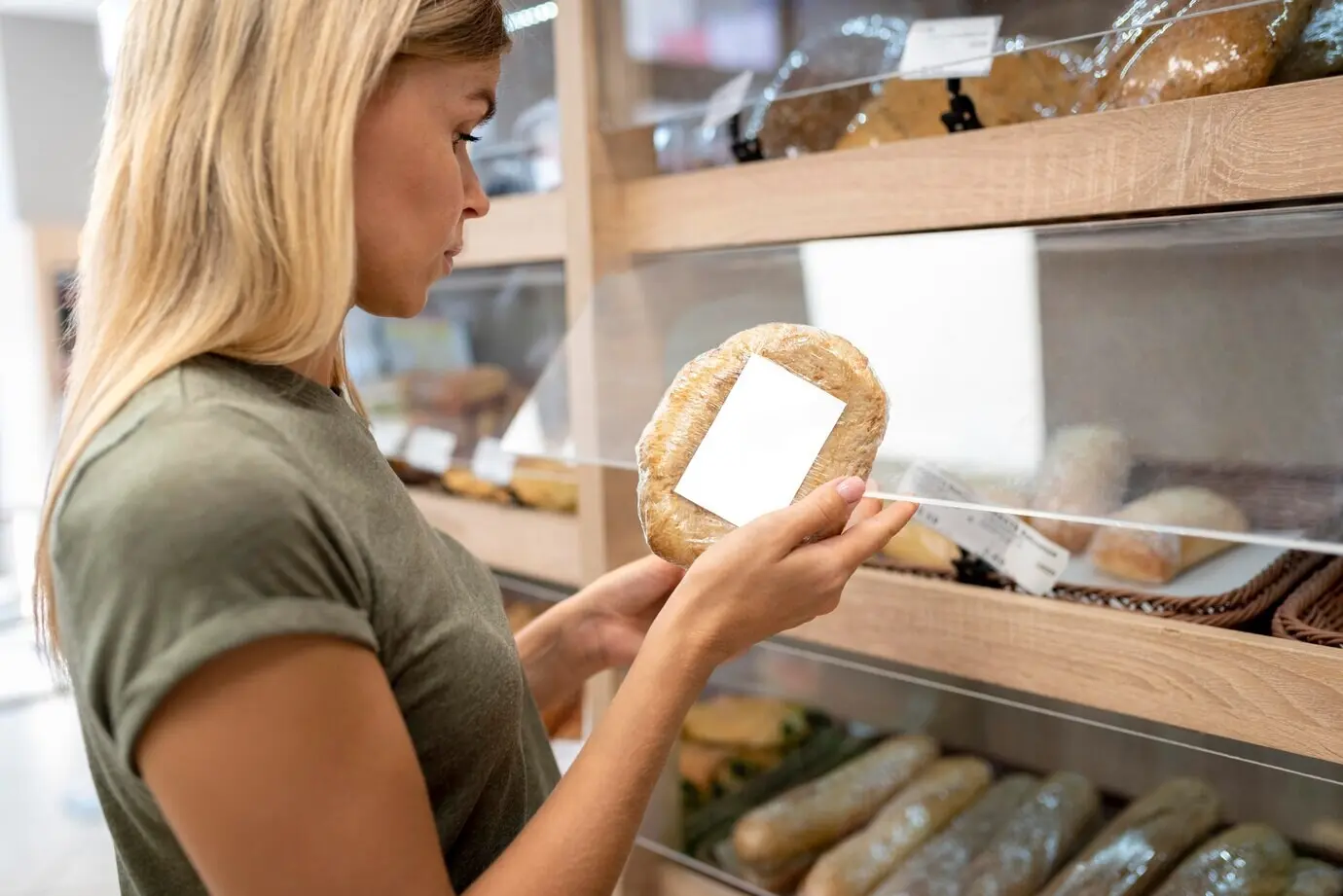
Logos are invitations to investigate. A trustworthy hangtag usually includes a standard name, license number, or scannable code linking to a database. Brands that invest in integrity often publish supply chain partners and audit summaries. With a few checks, you can confirm whether a bold claim rests on independent proof or a loose promise that risks fading the moment scrutiny begins.
Logos, Numbers, and QR Trails That Prove It
Many standards maintain public directories of certified facilities and license holders. When a hangtag lists a code, look it up and verify scope, expiration date, and facility names. QR links can reveal batch data, material origins, and processing stages. These simple steps transform a quick store visit into a confident decision backed by traceable evidence rather than assumptions or wishful thinking.
Counterfeits and Vague Language
Some products mimic reputable logos or use phrases that imply approval without actual certification. Watch for altered icons, missing license numbers, or claims that say audited to standard without listing the certifier. If details are thin, contact the brand or the standard owner. Responsible companies welcome questions, because transparent answers build trust and strengthen community around better materials, factories, and outcomes.
Care Labels, Durability, and Aftercare
Sustainability continues after purchase. Proper washing, repairing seams, and fabric-specific care extend garment life, reducing replacement pressure and waste. Certifications set starting conditions, but your maintenance choices shape the real footprint over years. Learn gentle detergents, lower temperatures, and repair techniques, turning a good choice at checkout into an even better story of longevity and resource respect across repeated wears.

Begin With What You Already Own
Audit your closet to identify gaps, favorites, and items that deserve repair. Keeping beloved pieces in rotation saves resources and money, making room for targeted responsible purchases when replacement is truly needed. Document labels, fabric types, and wear patterns, then set simple goals that fit your lifestyle, proving progress can be practical, personal, and refreshingly free of perfection pressure or guilt.

Ask Better Questions Before You Buy
Reach out to brands about certification scope, supply partners, and chemical management practices. Ask whether organic fiber continues through processing, whether Fair Trade covers the factory making your garment, and how Bluesign principles are implemented. Curiosity signals demand for credibility. The most committed companies reply transparently, often sharing detailed roadmaps that help you learn while rewarding leadership through your purchasing decisions.

All Rights Reserved.